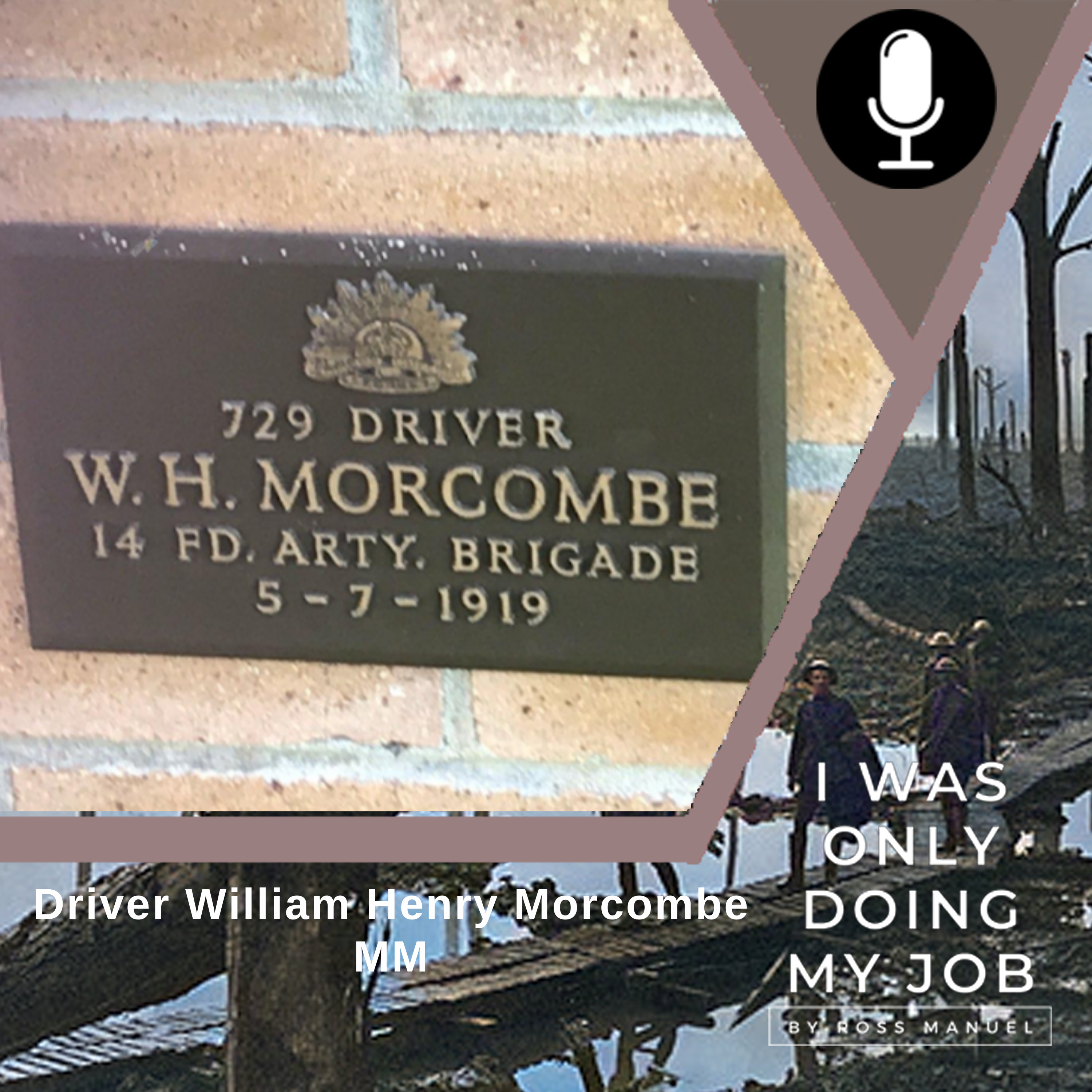
29 December 2025
2-November-1917: While serving as a Driver within 14 Field Artillery Brigade, Australian Imperial Force, Driver William Henry Morcombe MM was subjected to one of the terror weapons of the Great War, Gas. Morcombe survived the war, but unfortunately not the peace that followed it.
Shownotes
First World War
Read article
29 March 2024
26-FEBRUARY-1919. Private Percy George Stafford, an Australian soldier who served in the First World War, was murdered. In this episode of "From Duty to Dishonour," we delve into the compelling story of Private Percy George Stafford, an Australian soldier who served in the First World War. As we explore Stafford's life, we confront the challenging question: what happens when someone falls short of society's expectations of a soldier? Join us as we look into the service of a man who allegedly spent no time in the front line, despite volunteering for service in 1916.
Shownotes
First World War
Read article
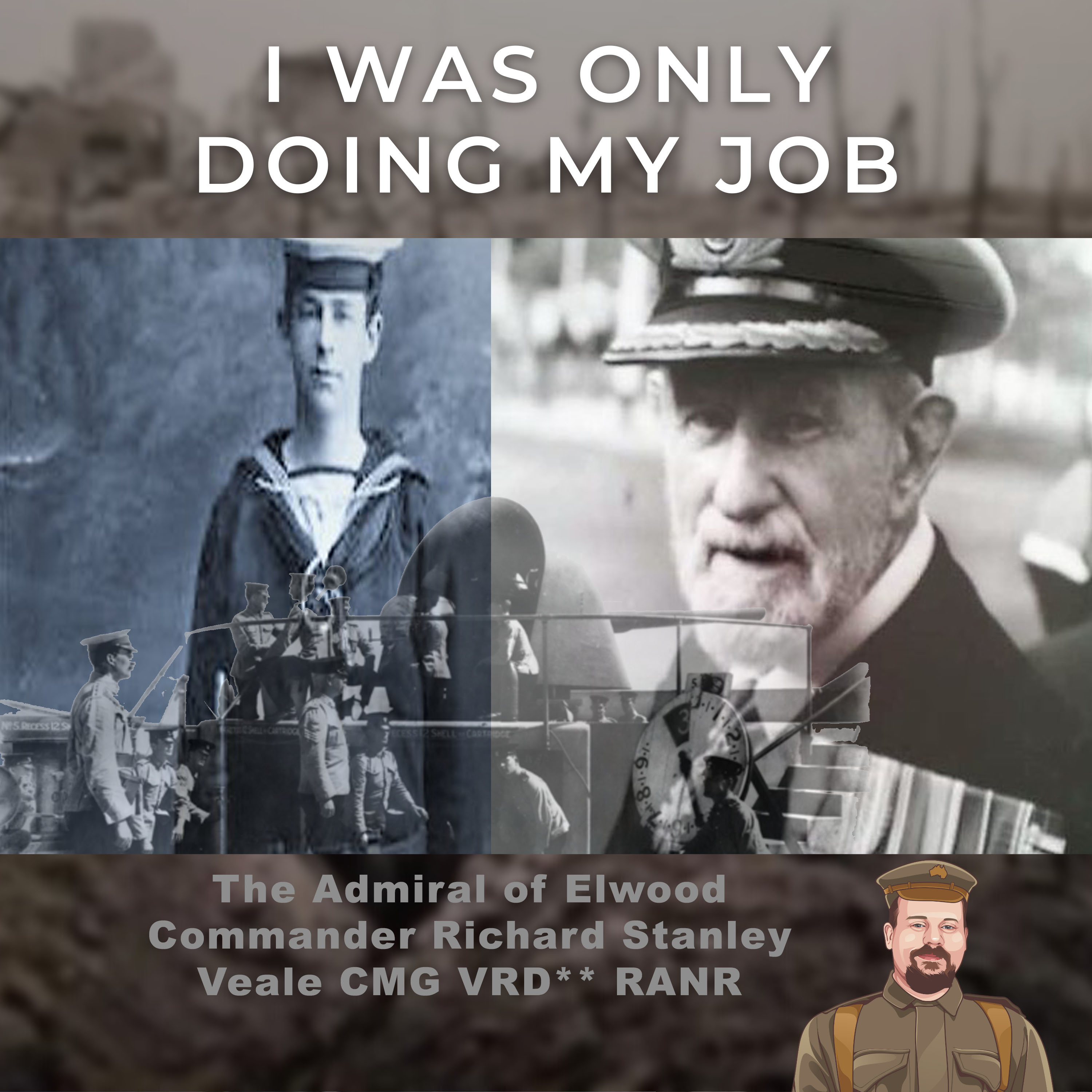
8 March 2024
4-AUGUST-1914/4-SEPTEMBER-1939. While serving as a Naval Reservist, Midshipman Richard Stanley Veale ordered the first shot fired by British Forces in the First World War. Twenty years later while in command of the same shore battery that fired the first shot in the First World War, Commander Richard Stanley Veale would order the first Australian shot fired in anger during the Second World War.
Shownotes
First World War
Read article
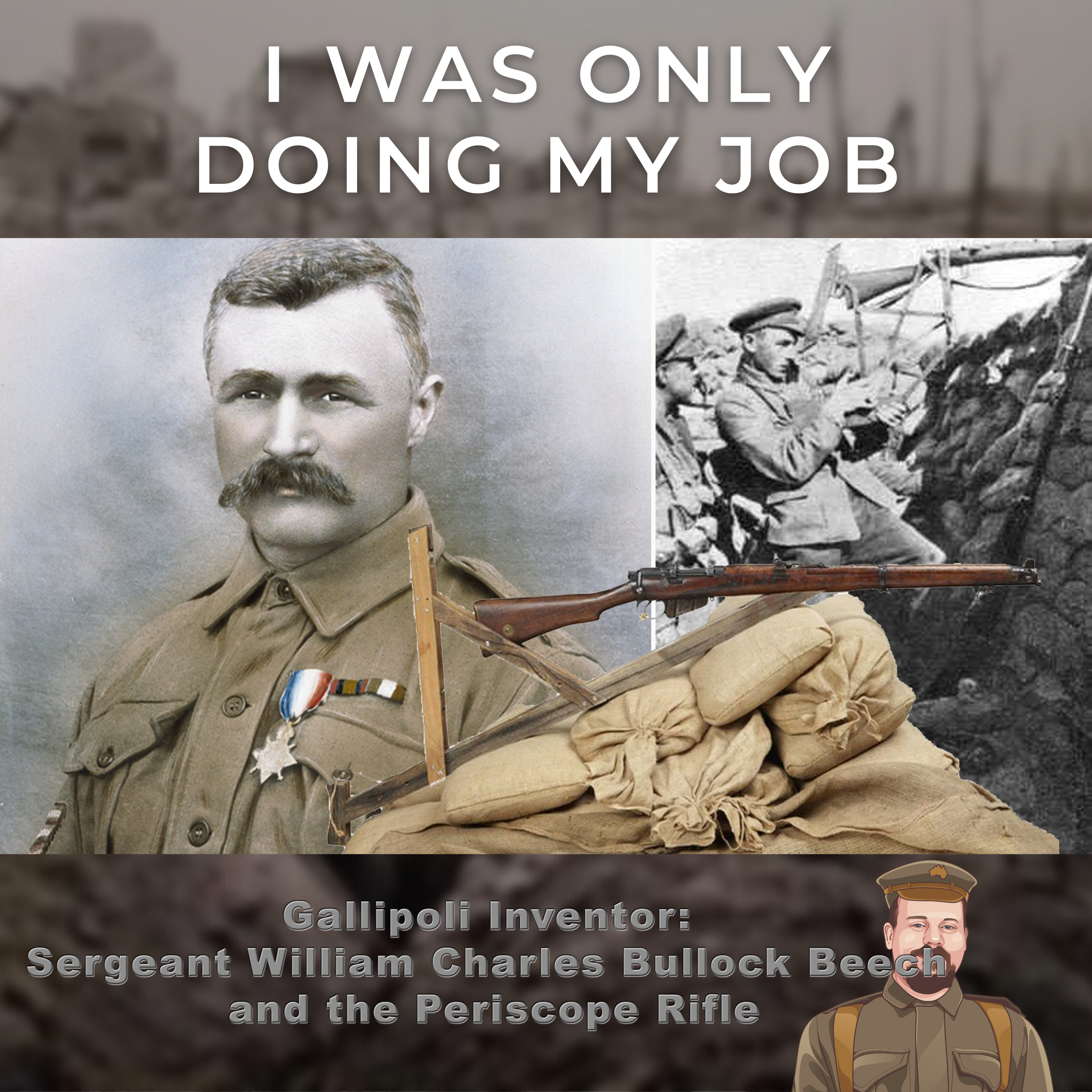
27 January 2024
19-MAY-1915. While serving as a soldier of the 2nd Australian Infantry Battalion, Australian Imperial Force during the First World War, Sergeant William Charles Bullock Beech, horrified by the tragic loss of life of his comrades on Gallipoli, took a biscuit box, signal wire and a broken mirror to invent one of the most iconic weapons of trench warfare on Gallipoli, the Periscope Rifle.
Shownotes
First World War
Read article
31 December 2023
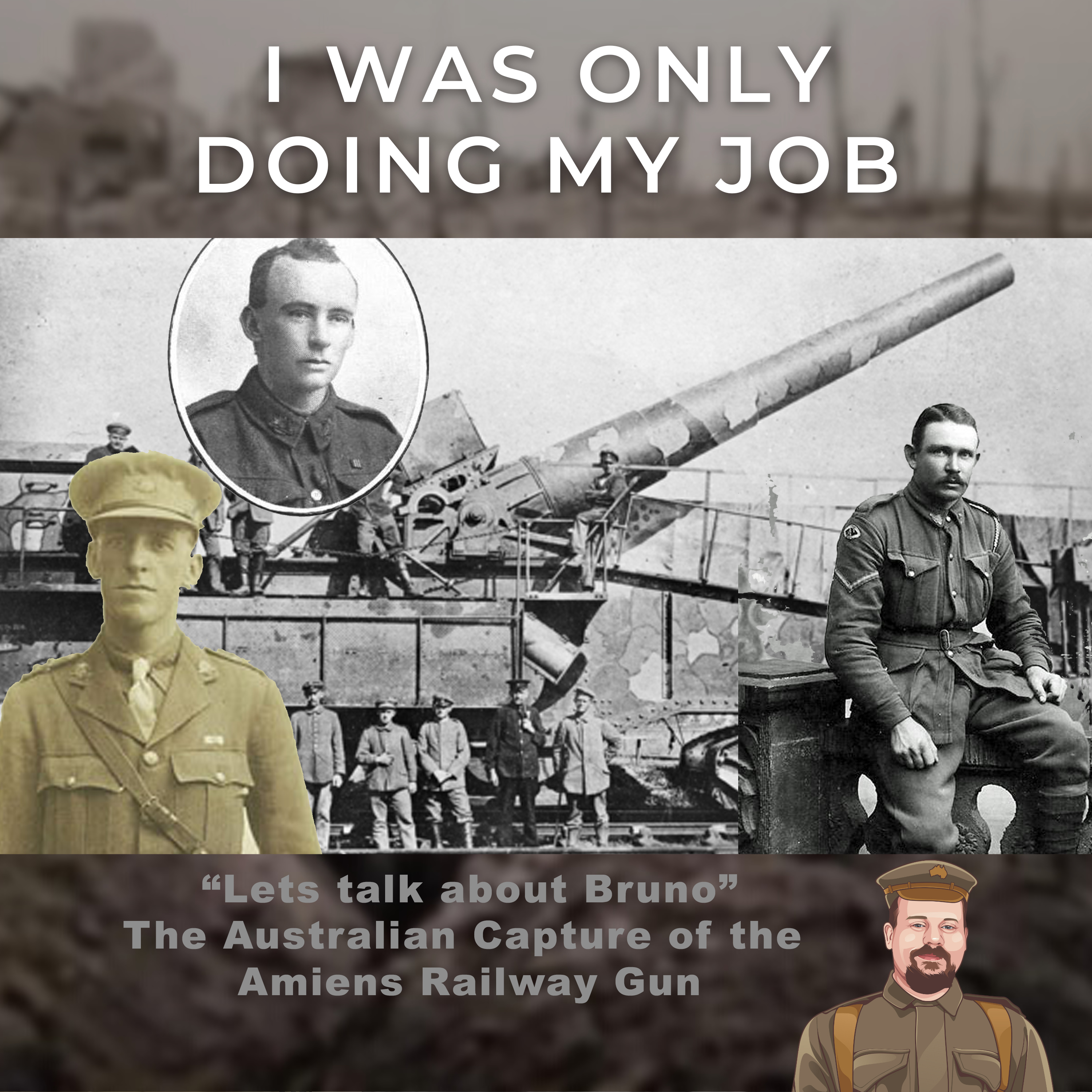
8-AUGUST-1918. While serving as Engineers of the 8th Field Company, Australian Imperial Force, Lieutenant George Burrows, Sapper John Henry Palmer and Leslie James Strahan were attached to the 31st Australian Infantry Battalion when the Australian Corps participated in the Battle of Amiens, the start of the 100 Days Offensive. As they were deconstructing German fortifications at the old Amiens Defensive Line, they were called forward to deal with an obstacle in No Mans Land, it was the Largest War Trophy Collected by Australian forces that was brought back to Australia.
Shownotes
First World War
Read article
29 November 2023
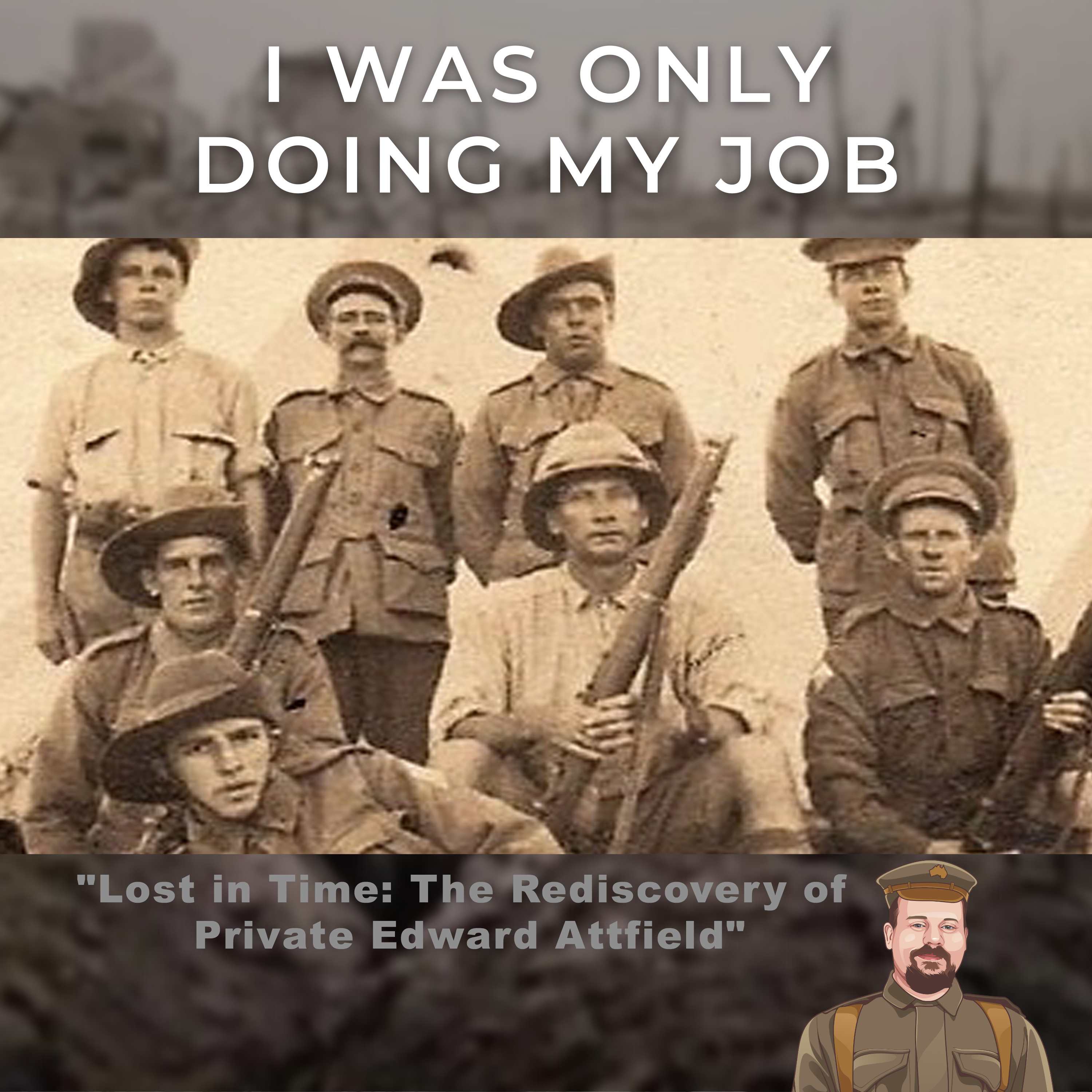
27/28-JANUARY-1916, While serving as a soldier of the 5th Australian Infantry Battalion, Australian Imperial Force, Private Edward Attfield did not let his diminutive stature prevent him from volunteering for overseas service. He landed at Gallipoli and despite wounds and illness served until the evacuation in December 1915. When he returned to Alexandria, he vanished, never to be seen again.
Shownotes
First World War
Read article
11 November 2023
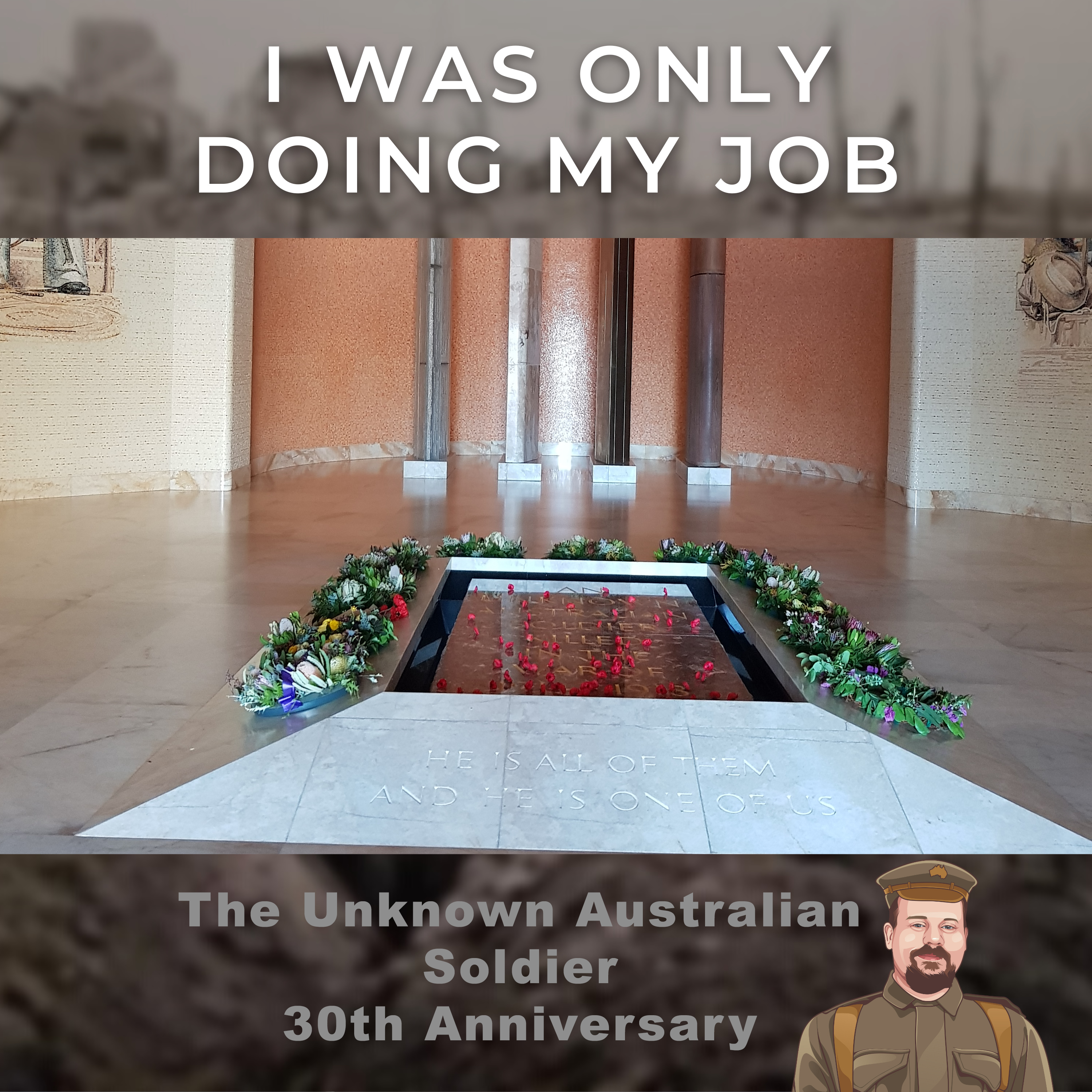
11-NOVEMBER-1993. To mark the 75th anniversary of the end of the First World War, the unidentified remains of an unknown Australian soldier, exhumed from the Adelaide Cemetery in Villers Bretonneux in France was interred within the Hall of Memory of the Australian War Memorial in Canberra, Australia.
Shownotes
First World War
Read article
24 October 2023
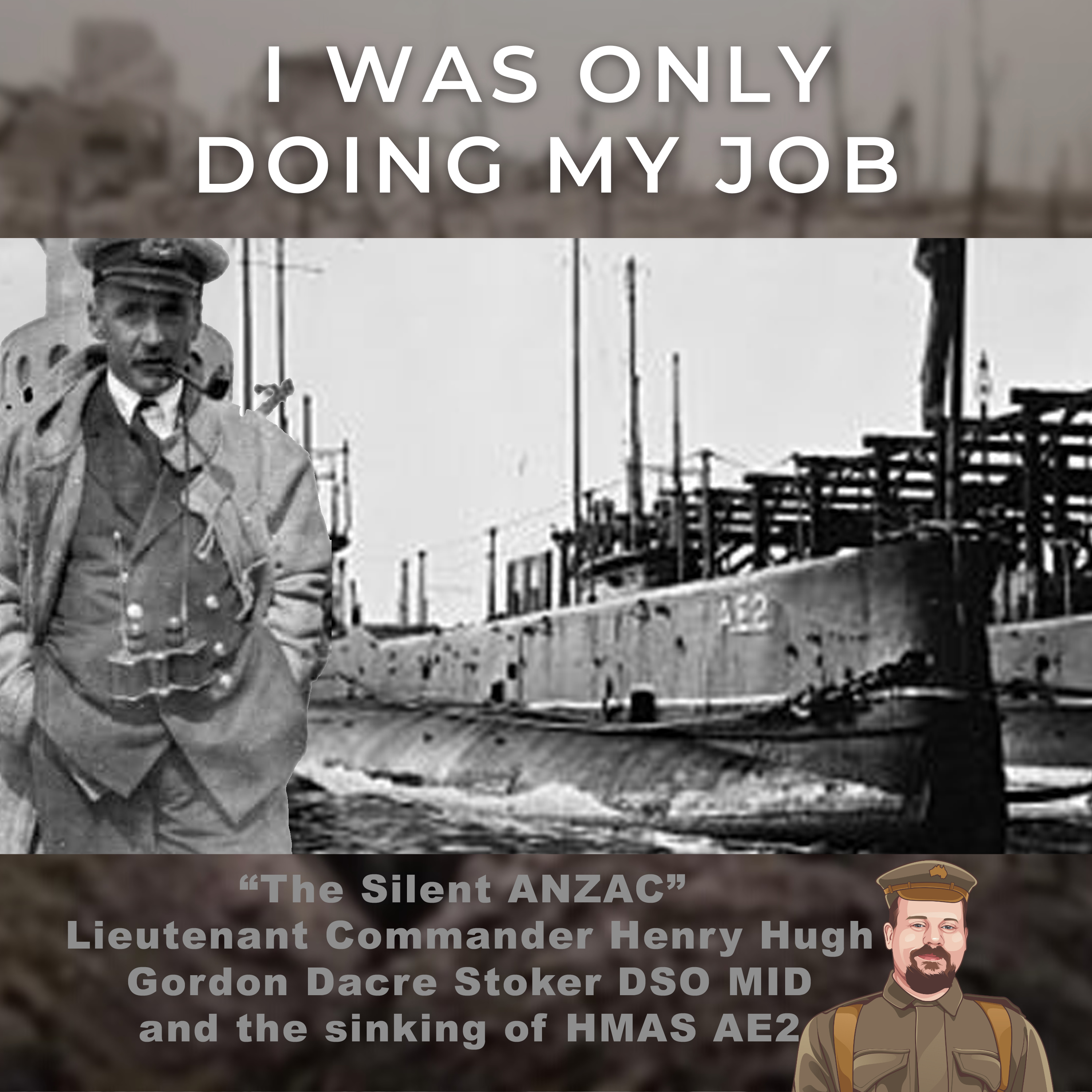
25-APRIL-1915, While serving as Commanding Officer of the Royal Australian Navy's second Submarine HMAS AE2, Royal Navy Officer Lieutenant Commander Henry Hugh Gordon Dacre Stoker was faced with the challenge, to traverse the Dardanelles when the last two submarines to do so were sunk.
Shownotes
First World War
Read article
29 September 2023
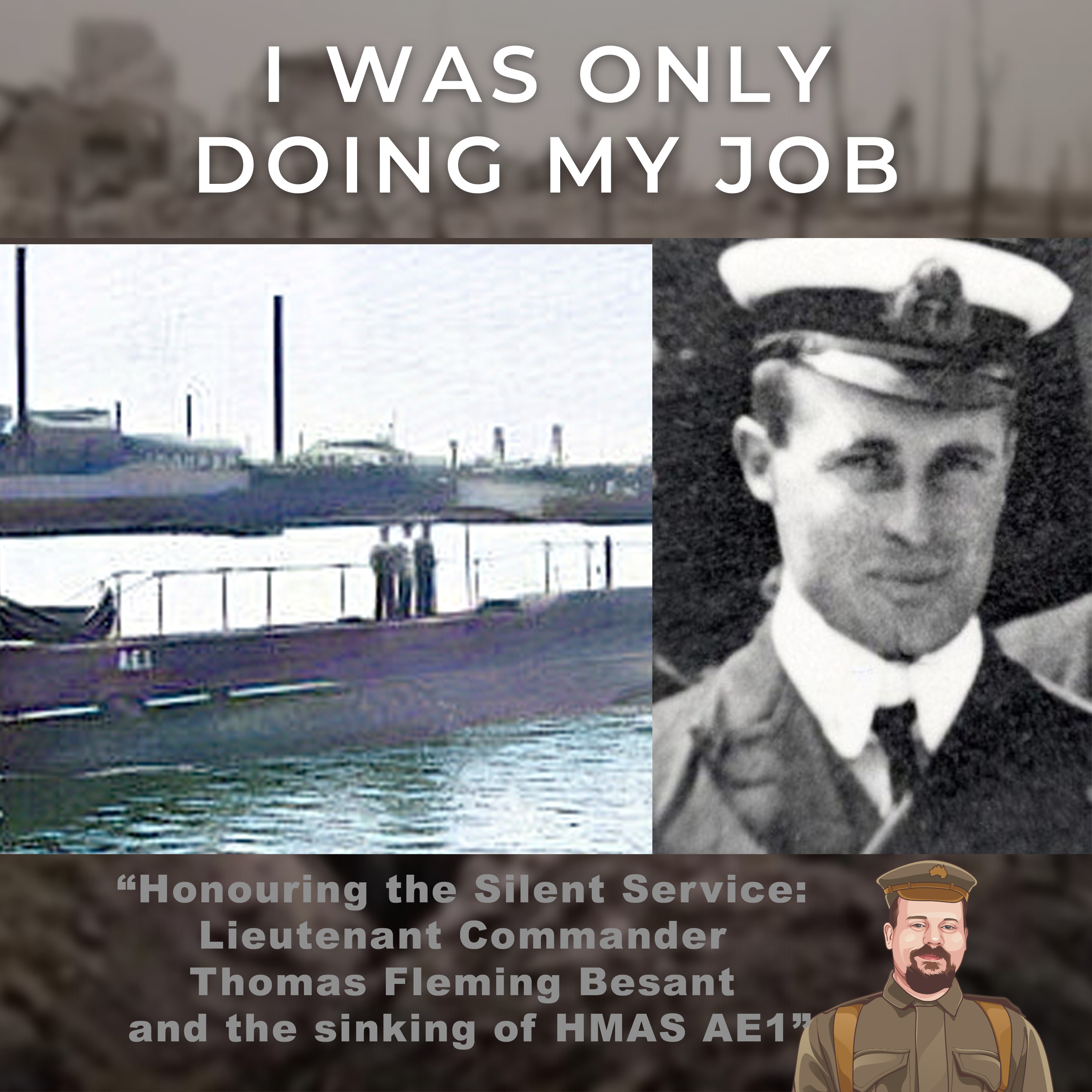
14-SEPTEMBER-1914, While serving as Commanding Officer of the Royal Australian Navy's first Submarine HMAS AE1, Royal Navy officer Lieutenant Commander Thomas Fleming Besant was killed in action when AE1 disappeared during a patrol following the Australian Capture of German New Guinea.
Shownotes
First World War
Read article

25 February 2022
7-MAY-1915. While serving as an engineer with the 3rd Field Company Engineers, Australian Imperial Force,
Captain Edward Bage was instructed to map out new trench locations on Gallipoli, and as a result would be killed 14 days after landing on the Peninsula, but his legacy is not one of the battlefield,
but of Antarctic Exploration, when he spent two years mapping Antarctica alongside Sir Douglas Mawson
Shownotes
First World War
Read article

27 August 2021
<p>29-JULY-1918. While serving with the 29th Infantry Battalion, Australian Imperial Force, Private George Giles, participated in the attack on German positions at Morlancourt. After which, he was instructed to proceed to the headquarters of the 8th Brigade, and surrender his uniform and equipment to the Australian War Records Section. Photographs were taken, and he was issued new equipment. The intent being to ‘show how our men came out of the trenches’ to the public. Who was the man behind the most famous uniform in the collection of the Australian War Memorial? </p>
Shownotes
First World War
Read article

13 August 2021
CW: This episode does discuss suicide, viewer discretion is advised.
7-AUGUST-1916. Serving in the 48th Infantry Battalion, Australian Imperial Force, Sgt David Twining would participate in the Battle of Pozieres; during the second phase of the First Battle of the Somme. Following horrific German counter-attacks, a wounded man would enter the 48th Battalion Headquarters with a simple message: “I’m the only one left, do you still want me to hold this position?” That message came from David Twining, and would start a monumental military career that would span Australia’s involvement in the Great War on the Western Front, but would sadly end with Captain David Twining taking his own life in 1931. His most known act, the defence of the Windmill at Pozieres was immortalised in the Pozieres Diorama at the Australian War Memorial. Sadly, the diorama has become more well-known than the man depicted in it.
Shownotes
First World War
Read article